Home Founding Researcher Access The Standard COA Library Research Hub Contact
Research Hub

Everything a researcher needs
to know about peptides.

From what amino acids are to how reconstitution works, what a COA tells you, what solution concentration means, and how to vet a supplier — all in one place. Plain language. Real science. No filler.

Articles & Guides

Research Articles — Published guides and compound research references from the PYXAX Research team.

The GH Axis Peptide Research Guide: Somatotropic Signaling, Compound Classes, and Verification

Few endocrine systems are studied as continuously as the growth hormone axis. It is one of the oldest characterized neuroendocrine feedback loops, and it remains a reference framework for anyone building a research library around growth-hormone-releasing peptides. The axis is compact but layered: a hypothalamic trigger, a pituitary amplifier, a peripheral effector, and two feedback…

Read Article →

GLP-1 Receptor Research Compounds: A Structural and Mechanistic Guide for the Laboratory

Few receptors in modern metabolic research are studied as intensively as the glucagon-like peptide-1 receptor (GLP-1R). It sits at the center of an entire class of engineered peptides — from the native hormone itself through single-, dual-, and triple-receptor analogs — and it has become one of the most structurally characterized class B G-protein-coupled receptors…

Read Article →

Retatrutide vs Tirzepatide: A Research-Context Comparison of Triple- and Dual-Agonist Peptides

Few comparisons in incretin-receptor research draw as much attention as retatrutide versus tirzepatide. Both are synthetic 39-residue peptides engineered by the same discovery lineage, both carry a fatty-diacid modification for extended half-life, and both act on the incretin-receptor family. The defining difference is receptor breadth: tirzepatide engages two receptors, retatrutide engages three. For research groups…

Read Article →

PCAC Final Vote: 6 of 7 Peptides Backed for the 503A List — The Complete July 2026 Tally

The FDA's Pharmacy Compounding Advisory Committee (PCAC) has finished its two-day peptide review, and the final scorecard is now complete. Over July 23–24, 2026, the committee recommended six of the seven peptides it evaluated for inclusion on the Section 503A Bulk Drug Substances List — and rejected one. In doing so it overrode its own…

Read Article →

Best Research Peptides 2026 Guide — Molecular Profiles, Mechanisms & How to Verify a Source

"Best research peptides" is a phrase that means something very specific once you strip away the marketing. It does not mean the peptides with the most impressive anecdotes or the loudest vendor copy. In a laboratory context, the peptides worth knowing are the ones with a defined molecular identity, a mechanism described at the receptor…

Read Article →

The July 2026 PCAC Peptide Votes — FDA’s Advisory Panel Recommends Four Compounds Against Its Own Staff

On July 23, 2026, the FDA's Pharmacy Compounding Advisory Committee (PCAC) did something the agency's own scientists had recommended against: it voted to recommend four peptides — BPC-157, KPV, TB-500, and MOTS-c — for addition to the 503A Bulks List for pharmacy compounding. The FDA's pre-meeting briefing documents had proposed the same conclusion for every…

Read Article →

PCAC Backs BPC-157 and KPV — Inside the July 2026 Peptide Vote and What It Actually Changes

On July 23, 2026, the FDA's Pharmacy Compounding Advisory Committee (PCAC) did something its own agency's scientists had recommended against: it voted 8-6, with one abstention, to recommend that two peptides — BPC-157 and KPV — be added to the 503A Bulks List for pharmacy compounding. Coming just one day after the FDA's published briefing…

Read Article →

The July 2026 PCAC Peptide Decision — FDA’s Briefing Documents Recommend Against All Seven, and What That Actually Means

On July 23 and 24, 2026, the FDA's Pharmacy Compounding Advisory Committee (PCAC) meets at the agency's White Oak campus to consider whether seven peptides should be added to the 503A Bulks List for pharmacy compounding. Ahead of that meeting, the FDA published a briefing document for each substance — and across all seven, the…

Read Article →

Survodutide (BI 456906) Dual Agonist Research Guide 2026 — Molecular Profile, GCGR/GLP-1R Mechanism & Verification

Survodutide, known in the development literature as BI 456906, is a synthetic glucagon-based peptide engineered to act at two receptors at once — the glucagon receptor (GCGR) and the glucagon-like peptide-1 receptor (GLP-1R). It belongs to a class of molecules sometimes called "unimolecular dual agonists": single peptides designed to engage more than one metabolic receptor…

Read Article →

Cagrilintide Amylin Receptor Research Guide 2026 — Molecular Profile, DACRA Mechanism & Verification

Cagrilintide is a synthetic, long-acting amylin analogue, and it belongs to a class of research molecules that has drawn intense interest precisely because of the receptor system it engages rather than any single downstream endpoint. Amylin is a 37-amino-acid peptide hormone co-secreted with insulin, and its receptors are among the more unusual constructs in G…

Read Article →

5-Amino-1MQ NNMT Inhibitor Research Guide 2026 — Molecular Profile, NAD+/SAM Mechanism & Verification

5-Amino-1MQ is not a peptide. It is a small-molecule quinolinium — a single aromatic ring system rather than an amino-acid chain — and that distinction matters for anyone sourcing it, because it changes the analytical methods, the salt-form questions, and the literature it belongs to. What makes it a heavily studied research compound is its…

Read Article →

Selank Research Peptide Guide 2026 — Molecular Profile, GABAergic Mechanism & Verification

Selank is a synthetic heptapeptide derived from tuftsin, the immunoglobulin G–derived tetrapeptide Thr-Lys-Pro-Arg. What makes it unusual in the research literature is that it does not appear to work through a single receptor: the published mechanistic work describes at least two distinct molecular actions running in parallel — modulation of GABAergic gene expression and receptor…

Read Article →

Semax Neuropeptide Research Guide 2026 — Molecular Profile, BDNF/TrkB Mechanism & Verification

Semax is a synthetic heptapeptide derived from the ACTH(4–10) fragment of adrenocorticotropic hormone, and it has become one of the most frequently referenced peptide tools in laboratories studying neurotrophin signaling. Because it engages the brain-derived neurotrophic factor (BDNF) / TrkB axis — a signaling system that sits at the center of neuronal survival, synaptic plasticity,…

Read Article →

NAD+ Research Compound Guide 2026 — Molecular Profile, Sirtuin & PARP Mechanism, and Verification

NAD+ — nicotinamide adenine dinucleotide — is one of the most heavily studied small molecules in modern cell biology, and unlike most compounds in the research-peptide market it is not a peptide at all. It is a dinucleotide coenzyme present in every living cell, functioning simultaneously as the central electron carrier of metabolism and as…

Read Article →

PT-141 Melanocortin Research Guide 2026 — Molecular Profile, MC4R Receptor Mechanism & Verification

PT-141 is the research-market name for bremelanotide, a synthetic cyclic heptapeptide analogue of alpha-melanocyte-stimulating hormone (α-MSH) that acts as a non-selective agonist across the melanocortin receptor family. Because it engages the central melanocortin receptors MC3R and MC4R — two of the most structurally and pharmacologically scrutinized G-protein-coupled receptors in neuroscience — PT-141 has become a…

Read Article →

TB-500 (Thymosin Beta-4) Research 2026 — Molecular Profile, Actin-Sequestering Mechanism & Verification

TB-500 is the name the research-compound market has attached to thymosin beta-4 (Tβ4), one of the most-studied actin-regulating peptides in cell biology. Thymosin beta-4 is a 43-residue, naturally occurring peptide that functions as the principal G-actin-sequestering molecule in most mammalian cells, and it has been examined across three decades of preclinical work in wound-repair, corneal,…

Read Article →

MOTS-c Mitochondrial Research Guide 2026 — Molecular Profile, AMPK Pathway & Verification

MOTS-c — short for "Mitochondrial Open-reading-frame of the Twelve-S rRNA type-c" — occupies an unusual place in peptide biology. It is one of a small family of mitochondrial-derived peptides (MDPs): short peptides encoded not in the nuclear genome but within the mitochondrial DNA itself, in a region of the 12S ribosomal RNA gene that was…

Read Article →

Epithalon Research Peptide 2026 — Molecular Profile, Telomerase Pathway & Verification

Epithalon — also written epitalon or epithalone, and abbreviated AEDG for its four-residue sequence — is one of the most-studied compounds in telomere-biology and geroprotection research. It is a synthetic tetrapeptide derived from the amino-acid composition of epithalamin, a peptide preparation originally isolated from the pineal gland. For laboratories modeling telomerase regulation, cellular replicative capacity,…

Read Article →

The Peptide Industry’s Compliance Landscape Ahead of the July 2026 PCAC Meeting — An Analysis for Research Suppliers

As the FDA's Pharmacy Compounding Advisory Committee prepares to meet on July 23–24, 2026, the peptide sector is paying unusually close attention to compliance. The meeting itself concerns compounding-pharmacy regulation, but the broader climate — heightened regulatory scrutiny, a steady stream of warning letters, and public commentary from healthcare attorneys anticipating enforcement — has made…

Read Article →

CJC-1295 & Ipamorelin Research Guide 2026 — Molecular Profiles & Verification

CJC-1295 and ipamorelin are two of the most frequently co-referenced compounds in growth-hormone (GH) axis pharmacology research. They are studied together because they engage the somatotroph — the GH-secreting cell of the anterior pituitary — through two distinct and complementary receptor systems: CJC-1295 as a long-acting analog of growth hormone-releasing hormone (GHRH), and ipamorelin as…

Read Article →

The 2026 FDA Peptide Reclassification Explained — Category 1/2, the PCAC Review, and What It Means for Research

Few regulatory topics have generated more confusion in the research-compound community this year than the 2026 "peptide reclassification." Headlines have declared peptides "legal again," vendors have implied that long-restricted compounds are now cleared, and a great deal of the commentary has blurred two entirely separate regulatory worlds: the compounding-pharmacy framework that governs prescription preparations, and…

Read Article →

Semaglutide Research Compound Guide 2026 — Molecular Profile & Verification

Semaglutide is a long-acting glucagon-like peptide-1 receptor (GLP-1R) analog that has become one of the most heavily referenced compounds in metabolic receptor pharmacology. As a structurally optimized GLP-1 analog, it has generated an extensive published mechanistic literature spanning receptor binding, intracellular signaling, and in-vitro cellular models — making it a frequent reference compound for laboratories…

Read Article →

ILS Laboratories Peptide Testing Guide 2026 — What ISO 17025 Verification Actually Means

Almost every research-peptide listing on the market now carries the phrase "third-party tested." The phrase has become so common that it has stopped meaning very much. A certificate of analysis is only as good as the laboratory that produced it, the methods that laboratory ran, and whether anyone outside the vendor can confirm the document…

Read Article →

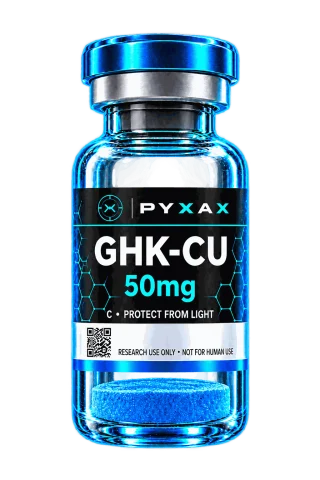
GHK-Cu Copper Peptide Research 2026 — Molecular Profile, Mechanism & Verification

GHK-Cu is the copper(II) complex of the naturally occurring tripeptide glycyl-L-histidyl-L-lysine (GHK). First isolated from human plasma in 1973, it is among the longest-studied peptides in matrix biology, with a preclinical literature spanning five decades of fibroblast, gene-expression, and tissue-remodeling research. That depth of published work — combined with the compound's distinctive copper chemistry —…

Read Article →

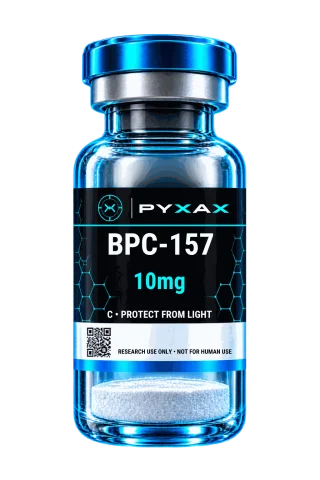
BPC-157 Research Peptide Guide 2026 — Molecular Profile, Mechanism & Verification

BPC-157 is a synthetic pentadecapeptide derived from a partial sequence of a protective protein identified in human gastric juice. Over three decades of preclinical literature — a PubMed search now returns more than one hundred peer-reviewed publications — have made it one of the most frequently referenced compounds in cytoprotection, angiogenesis, and tissue-repair research models.…

Read Article →

Where to Buy Tirzepatide Research Compound in 2026 — Verification Guide

Tirzepatide (LY3298176) is a dual GLP-1/GIP receptor agonist developed by Eli Lilly that has become one of the most researched metabolic pathway compounds of the past three years. As one of the most-studied incretin-agonist research molecules, tirzepatide has generated substantial published pharmacological and mechanistic data — making it one of the most referenced compounds…

Read Article →

Where to Buy Retatrutide Research Compound in 2026 — Verification Guide

Verification standards, pricing comparison, and what COA documentation should look like when sourcing retatrutide.

Read Article →

How to Verify Research Peptide COAs — A Researcher’s Complete Guide

HPLC, LC-MS, endotoxin testing explained. How to use ILS Labs and Janoshik public verification portals. Red flags to avoid.

Read Article →

Peptide Sciences Is Gone — What Researchers Need in 2026

What the Peptide Sciences shutdown revealed about supplier evaluation and what researchers need from a replacement vendor.

Read Article →

Retatrutide (LY3437943): Triple GLP-1/GIP/Glucagon Receptor Agonist — Research Applications and Mechanism

Mechanism, receptor binding, preclinical data and research applications for the most advanced triple agonist in active clinical investigation.

Read Article →

What Are Research Peptides?

Research peptides are short chains of amino acids — the same molecular building blocks that make up every protein in the human body. While proteins can be hundreds of amino acids long, peptides are typically 2–50 amino acids in length. This compact size makes them extraordinarily precise biological messengers: they can target specific receptors and activate isolated signaling pathways without broad off-target effects.

That precision is exactly why peptides like BPC-157, Tirzepatide, MOTS-C, and Semax are studied so intensively. Each compound binds a defined receptor class and produces a measurable, reproducible downstream response — making them ideal reference tools for in-vitro and preclinical research.

Peptides vs. Proteins

The distinction is primarily size. Peptides: 2–50 amino acids, typically linear, fast-acting, receptor-specific. Proteins: 50+ amino acids, complex 3D folding, broader systemic roles. Many well-known hormones — insulin, oxytocin, GLP-1 — are technically peptides.

Natural vs. Synthetic

Your body produces thousands of peptides as hormones, neurotransmitters, and signaling molecules. Synthetic research peptides are engineered analogues — structurally similar to endogenous peptides but optimized for greater stability, receptor selectivity, and resistance to enzymatic degradation. All PYXAX compounds are synthetic research-grade analogues sold strictly for laboratory research use.

How Peptides Work

Peptides function as biological messengers. They travel to target sites, bind specific receptor proteins on or inside cells, and trigger cascading downstream signals — a highly specific lock-and-key system. When the right peptide binds the right receptor, it triggers a defined biological response: metabolic shifts, tissue repair cascades, GH axis activation, or neuroprotective signaling. This receptor specificity is what makes peptides so valuable as isolated research tools.

Compound Categories

Research peptides are grouped by primary mechanism of action and receptor class. Understanding these categories helps select the right compound for a given research pathway. All compounds ship with a representative lot-level COA from an independent third-party laboratory.

GLP / Metabolic

Incretin & GIP Agonists

Target GLP-1, GIP, and glucagon receptors in the pancreas, gut, and hypothalamus. Drive research into incretin receptor binding and GLP-1 pathway signaling.

Tirzepatide · Retatrutide · Semaglutide · Cagrilintide
GH Axis

Growth Hormone Peptides

GHRH analogues and GHSR agonists stimulate pituitary GH secretion via distinct receptor pathways — pulsatile or sustained release.

CJC-1295 No DAC · Ipamorelin · Tesamorelin · Sermorelin
Recovery

Cytoprotective Peptides

Promote angiogenesis, collagen synthesis, fibroblast activation, and tissue remodeling via NO system and thymosin beta-4 pathways.

BPC-157 · TB-500 · GHK-Cu · KPV
Longevity

Cellular & Mitochondrial

Target NAD+ metabolism, mitochondrial membrane integrity, telomerase activation, and AMPK signaling pathways studied in aging models.

NAD+ · MOTS-C · Epithalon · SS-31
Nootropics

CNS & Neuropeptides

Act on CNS via BDNF upregulation, GABAergic modulation, ACTH receptor activity, or hypothalamic signaling.

Semax · Selank · DSIP · VIP
Research

Specialized Compounds

MC receptor agonists, amylin analogues, NNMT inhibitors, and immunomodulatory peptides for specialized research pathways.

PT-141 · Thymosin Alpha-1 · 5-Amino-1MQ · Kisspeptin-10

Key Compound Comparisons

The three most-researched compound comparisons in the peptide space — explained at the receptor level so researchers can select the right compound for a given pathway.

Semaglutide vs. Tirzepatide vs. Retatrutide

These compounds differ by the number of metabolic receptors they target — each successive generation adds receptor coverage and increases the complexity of the signaling cascade studied.

CompoundReceptor TargetsClassificationKey Research Application
Semaglutide GLP-1R Mono-agonist Isolated GLP-1 receptor signaling; pancreatic beta-cell pathway research; incretin axis studies
Tirzepatide GLP-1R + GIPR Dual agonist Complementary GLP-1 + GIP incretin effects; comparative metabolic signaling
Retatrutide GLP-1R + GIPR + GCGR Triple agonist (GLP-3) Broadest metabolic axis coverage; glucagon receptor co-activation research

BPC-157 vs. TB-500 vs. BPC/TB Blend

BPC-157 and TB-500 target complementary repair pathways — local vs. systemic — making the blend a common choice for multi-axis tissue research.

CompoundMechanismScopePrimary Research Use
BPC-157 NO system modulation, angiogenesis, growth factor upregulation Local / targeted Cytoprotection, tendon/ligament healing models, GI mucosal research
TB-500 Thymosin beta-4 actin-sequestering, cell migration, anti-inflammatory signaling Systemic Multi-tissue repair, reduced inflammation, musculoskeletal recovery models
BPC/TB Blend Dual mechanism — local BPC-157 + systemic TB-500 Local + Systemic Combined repair pathway research; simultaneous cytoprotective and systemic study

CJC-1295 No DAC vs. CJC-1295 DAC

The DAC modification fundamentally changes the pharmacokinetic profile, enabling two distinct GH release patterns for different research applications.

CompoundHalf-lifeGH Release PatternResearch Application
CJC-1295 No DAC ~30 minutes Pulsatile (mimics natural) Short-burst GHRH receptor activation; natural GH pulse studies
CJC-1295 DAC ~7 days Sustained blunted rise Long-acting GHRH agonism via albumin binding; extended GH axis studies

Storage Protocols

Proper storage is the most overlooked variable in peptide research — and the easiest way to compromise an expensive compound before it's ever used. The storage requirements differ significantly between lyophilized powder and reconstituted solution.

Lyophilized (Powder) — Long-term Storage

01

Temperature: -20°C (freezer)

Standard household freezer works for most peptides. -80°C is available for unusually labile compounds but rarely necessary for common research peptides. Some stable peptides tolerate 4°C short-term but -20°C is the benchmark for long-term stability of 12–24 months.

02

Desiccant: Required

Store with silica gel desiccant to prevent moisture absorption. Humidity triggers hydrolysis — the peptide bond breaks down with water — causing irreversible degradation. Never store in a frost-free freezer without desiccant protection.

03

Light protection: Amber or dark storage

UV exposure degrades aromatic amino acid residues (Trp, Tyr, Phe) rapidly and irreversibly. Store vials away from direct light. Most lyophilized peptides ship in amber vials — keep them that way.

04

Seal integrity: Check before use

Vials should be under vacuum (audible pop when punctured) or nitrogen-purged, with intact rubber septum. A broken seal may indicate temperature excursion or contamination during transit — inspect before reconstituting.

Reconstituted (Liquid) — Short-term Storage

01

Temperature: 2–8°C (refrigerator)

Refrigerate immediately after reconstitution. Do not leave at room temperature for extended periods — peptide degradation accelerates significantly above 8°C in solution.

02

Never refreeze a reconstituted solution

Each freeze-thaw cycle degrades peptide integrity by an estimated 5–15% depending on sequence, through ice crystal formation and mechanical disruption of the peptide structure. If repeated access is needed, aliquot into single-use volumes immediately after reconstitution.

03

Use within 28–30 days

Mark the vial with the reconstitution date immediately. Bacteriostatic water provides antimicrobial protection for approximately 30 days. Discard when in doubt — never use a solution that appears cloudy, discolored, or shows visible particulate matter.

Reconstitution & Solvent Choice

Reconstitution is the process by which lyophilized (freeze-dried) peptide powder is returned to a liquid state for laboratory analysis. Research peptides are shipped as a dry powder because the lyophilized form resists the hydrolysis and aggregation that degrade peptides in solution. Returning a compound to liquid form reintroduces those degradation pathways — which is why the choice of solvent, and the conditions the solution is subsequently kept under, largely determine how well compound integrity is preserved.

The standard solvent in peptide research is bacteriostatic water (BAC water) — sterile water containing 0.9% benzyl alcohol. The benzyl alcohol acts as a preservative, inhibiting bacterial and fungal growth across roughly a 30-day window once a multi-use vial has been punctured. Plain sterile water contains no preservative and offers no comparable protection, so in the literature it is generally reserved for single-use work where the entire reconstituted volume is used at once.

Several factors influence how well a reconstituted peptide holds up. Temperature is the dominant one: peptides in solution degrade markedly faster at room temperature than under refrigeration, and each freeze-thaw cycle introduces mechanical damage through ice-crystal formation. The way solvent contacts the lyophilized powder matters as well — forceful, direct contact can cause foaming and irreversible denaturation, whereas gentle mixing preserves the peptide's structure. Because degradation begins the moment a compound enters solution, reconstituted vials are conventionally identified with the compound name, the reconstitution date, and the resulting concentration, kept refrigerated, and treated as usable only within the preservative's roughly 30-day window.

Concentration — the ratio of peptide mass to solvent volume in the finished solution — is the reference point every downstream measurement and Certificate of Analysis is expressed against, which is why it is recorded alongside the reconstitution date. The Research FAQ below explains in plain language what solution concentration describes.

How to Read a Certificate of Analysis

A Certificate of Analysis (COA) is the primary documentation confirming a compound's identity and purity. Not all COAs are equal — understanding what a legitimate COA contains (and what makes one suspicious) is the single most important research skill when evaluating a peptide supplier.

What a Legitimate COA Must Include

Independent laboratory name and accreditation

The issuing laboratory must be completely independent from the vendor — third-party, not in-house. Any COA generated by the vendor's own quality team is not independent verification. Look for an accredited analytical laboratory name, address, and contact information.

Lot or batch number matching the product

The lot number on the COA must correspond to the specific production batch of the compound you received. Generic or undated COAs that don't reference a specific lot are not meaningful — any supplier can attach a year-old COA to a new shipment.

Test methodology explicitly stated

HPLC (High-Performance Liquid Chromatography) or HPLC-MS/MS (coupled with mass spectrometry) are the gold standard methods. A COA that states "99%+ pure" without naming the analytical method used to reach that conclusion is not verifiable.

Purity result with units

The purity percentage should be stated with the specific percentage (e.g., 99.2%), the method of calculation, and the test date. ≥99% by HPLC is the accepted standard for research-grade compounds.

Test date

COAs degrade in relevance over time as compounds age. A legitimate COA shows the exact date the batch was tested — allowing you to determine how recently the specific lot was verified.

All PYXAX Core Stock compounds ship with a representative lot-level Certificate of Analysis from an independent third-party analytical laboratory. "Representative lot-level" means a sample from the production batch was submitted — standard practice in lot-based quality control. All COAs are published in the COA Library and referenced by batch ID on every product listing.

View COA Library →

How to Vet a Research Peptide Supplier

The research peptide market has no centralized regulation and significant quality variance between vendors. These criteria separate suppliers that have invested in proper verification infrastructure from those using marketing language as a substitute for actual quality control.

What to Look For ✓
  • Independent, accredited third-party laboratory named on every COA
  • HPLC or HPLC-MS/MS explicitly stated as the test method
  • Lot numbers on COAs matching the product listing
  • Purity ≥99% stated with method and test date
  • Transparent inventory status (what's in stock vs. sourced on request)
  • Research-use-only language throughout — not buried in a footer
  • Published refund, shipping, and privacy policies
  • Responsive support with technical knowledge of compounds
Red Flags ✗
  • COAs issued by the vendor's own team — not an external lab
  • "Pharmaceutical grade" or "99% pure" with no method stated
  • No lot numbers — generic or undated COA documents
  • Prices dramatically below market with no explanation
  • Vague or non-responsive answers to technical questions
  • No Terms of Use, Privacy Policy, or Refund Policy
  • Human-use language or dosing guides on product pages
  • Multiple brand names in legal disclaimers on the same site

One specific pattern worth knowing: if a supplier's Terms of Service or Privacy Policy references a different company name or platform than the one you're shopping on, the legal documentation was copy-pasted without being reviewed. This is a meaningful signal about how seriously that operation takes its documentation — the same documentation that payment processors and underwriters review when evaluating vendor compliance.

Trusted Independent Testing Labs

These labs are recognized within the research community for independent, verifiable peptide analysis. You can cross-reference any of them directly.

1

Janoshik Analytical — janoshik.com

Czech Republic · Community gold standard. Public verification database — results searchable by batch number by any researcher.

2

ILS Laboratories — ils-lab.com

San Diego CA · ISO 17025 accredited. Full panel including endotoxin and sterility. QR-verified COAs.

3

Krause Analytical — krauselabs.com

Accredited US laboratory. HPLC and LC-MS panels.

Red Flags in COA Documentation

  • All products tested on the same date — signals batch launch testing, not ongoing QC.
  • No batch number traceable to your specific vial.
  • Lab name you cannot independently verify exists.
  • cGMP or pharmaceutical grade claims with no named facility or certification number.
  • COA only available on request — not published before purchase.

Research Glossary

Key terms encountered in peptide documentation, Certificates of Analysis, and research protocols — explained in plain language.

Amino Acid
Organic molecule with an amino group (—NH₂) and carboxyl group (—COOH). Twenty standard amino acids form all peptides and proteins. Sequence determines structure and function.
Peptide Bond
Covalent bond between the carboxyl group of one amino acid and the amino group of the next, releasing water. Defines the primary structure of every peptide.
Lyophilization
Freeze-drying process that removes water via sublimation under vacuum, preserving compound structure as a stable powder. The standard form for research peptide storage and shipping.
Bacteriostatic Water
Sterile water with 0.9% benzyl alcohol. Inhibits bacterial and fungal growth in reconstituted solutions across a ~30-day window. The preferred reconstitution solvent for multi-use research vials.
GPCR
G Protein-Coupled Receptor. The largest class of cell-surface receptors and most common peptide target. G protein-coupled receptors mediate diverse intracellular signaling cascades. Studied in the context of neuropeptide, incretin, and hormone receptor research.
HPLC
High-Performance Liquid Chromatography. Analytical technique that quantifies peptide purity by separating molecular components based on interaction with a stationary phase column. HPLC-MS/MS adds mass spectrometry for identity confirmation.
COA
Certificate of Analysis. Laboratory document confirming identity, purity, lot number, test methodology, and test date. Must originate from an independent, accredited third-party lab to be credible.
RUO
Research Use Only. Regulatory designation indicating a compound is sold strictly for in-vitro laboratory research — not approved for, and not intended for, human or animal consumption or clinical use.
Half-Life
Time for a compound's concentration to decrease by 50% in a biological system. Synthetic analogues are often engineered for extended half-lives through D-amino acid substitution, PEGylation, or albumin-binding modifications.
Agonist
A compound that binds to and activates a receptor, triggering a downstream biological response. Contrasted with an antagonist, which binds but blocks activation without producing a response.
Secretagogue
A substance that stimulates another substance to be secreted. GH secretagogues (Ipamorelin, CJC-1295) stimulate the pituitary to release growth hormone via GHSR or GHRH receptor pathways.
Incretin
A class of metabolic hormones (GLP-1, GIP) — gut-derived peptide hormones studied for pancreatic receptor signaling pathway research. GLP-1 and GIP receptor activation are active areas of in-vitro and preclinical research.
AMPK
AMP-Activated Protein Kinase. Master energy sensing enzyme activated by MOTS-C, AICAR, and other metabolic compounds. Central to mitochondrial biogenesis and cellular energy regulation research.
BDNF
Brain-Derived Neurotrophic Factor. Protein critical for neuron survival, growth, and synaptic plasticity. Upregulated in neuroprotective pathway research using compounds like Semax.
Cytoprotective
Protecting cells from damage or death. BPC-157 is cytoprotective toward gastric and musculoskeletal tissue via angiogenic and growth factor upregulation mechanisms.
Angiogenesis
Formation of new blood vessels from existing ones. Key mechanism by which cytoprotective peptides like BPC-157 accelerate tissue healing and repair in research models.
GHRH
Growth Hormone Releasing Hormone. Endogenous hypothalamic peptide that stimulates pituitary GH release. Synthetic analogues include Tesamorelin and CJC-1295 (No DAC).
Lot Number
A unique identifier assigned to a specific production batch of a compound. Lot numbers on COAs must match the lot numbers on product labels — this traceability is what makes a COA meaningful.
PEGylation
Chemical modification attaching polyethylene glycol (PEG) chains to a peptide. Extends half-life by increasing molecular size (reducing renal clearance) and reducing immunogenicity.
IGF-1
Insulin-like Growth Factor 1. Produced in the liver in response to GH. Mediates downstream anabolic and cellular repair effects of GH axis activation. Key reference marker in GH secretagogue research.

Research FAQ

The most common questions from first-time peptide researchers — answered directly, without jargon gatekeeping.

What is the difference between Semaglutide, Tirzepatide, and Retatrutide?
These compounds differ by the number of metabolic receptors they target. Semaglutide is a GLP-1 mono-agonist, activating only the GLP-1 receptor. Tirzepatide is a dual GLP-1/GIP agonist — it co-activates both GLP-1 and GIP receptors simultaneously for complementary incretin effects. Retatrutide is a triple agonist targeting GLP-1, GIP, and the glucagon receptor (GCGR) — the broadest metabolic receptor coverage currently under active investigation, which is why it is sometimes referred to as "GLP-3." Each is valuable for comparative metabolic research at different levels of signaling complexity.
BPC-157 vs. the BPC/TB Blend — when do researchers use each?
BPC-157 alone is appropriate for research focused specifically on local cytoprotective mechanisms — NO system modulation, angiogenesis, fibroblast activity, GI mucosal integrity. TB-500 (Thymosin Beta-4) adds a systemic repair dimension via actin-sequestering and anti-inflammatory cell migration pathways. The BPC/TB Blend is used when research design calls for studying both local and systemic repair axes simultaneously — it is not simply a "stronger" version of BPC-157 but rather a compound with a different, broader mechanism profile. PYXAX stocks the blend as a Core Stock item; standalone BPC-157 and TB-500 are available as Request Batch compounds.
What does "representative lot-level COA" mean? Is it legitimate?
Yes — representative lot-level testing is standard practice in quality control and is the same methodology used by pharmaceutical manufacturers for batch release testing. It means a sample from the production lot was submitted to an independent laboratory for analysis, and the result applies to the entire batch. This is distinct from "every individual vial tested," which is not done by any supplier in this category and would be cost-prohibitive. What matters is that the sample was from the correct production lot, submitted to an independent (not vendor-operated) laboratory, and analyzed by HPLC with methodology stated. PYXAX uses this framing precisely because it is accurate — we will never claim individual-vial testing unless that is literally true.
How long are reconstituted peptides stable in the refrigerator?
When reconstituted with bacteriostatic water and stored at 2–8°C, most research peptides remain stable for 28–30 days. Some hydrophilic, structurally stable peptides may last slightly longer; others with sensitive aromatic residues may degrade faster. Mark the reconstitution date on the vial immediately. If the solution appears cloudy, discolored, or shows visible particulate at any point, discard it regardless of date. Never use a solution you're uncertain about.
Do I need bacteriostatic water or will sterile water work?
For any protocol where the reconstituted vial will be accessed more than once, bacteriostatic water is required. BAC water contains 0.9% benzyl alcohol, which inhibits bacterial and fungal growth across a 30-day window — once a vial is punctured, regular sterile water has no protection against microbial contamination. Sterile water is appropriate only for single-use protocols where the entire reconstituted volume is used immediately.
What does "solution concentration" mean for a reconstituted peptide?
Concentration describes how much peptide is present in a given volume of solution — the ratio of the peptide mass in the vial to the volume of bacteriostatic water it was reconstituted with, typically expressed in mcg/mL or mg/mL. It is a property of the finished solution, not a dosing figure: the same amount of peptide reconstituted in a larger volume of solvent yields a lower concentration, and a smaller volume yields a higher one. Concentration is the reference point a Certificate of Analysis and any analytical measurement are expressed against, which is why it is conventionally recorded alongside the reconstitution date on the vial label.
What is Core Stock vs. Request Batch vs. Application Only?
PYXAX uses a transparent three-tier catalog system that reflects actual inventory status. Core Stock compounds are in-hand, verified, COA-published, and ship same-day. Request Batch compounds are available through our supply network but not held as standing inventory — submit a request and we source, test, and notify you when the batch is ready. Application-only compounds are produced in limited verification runs. Every batch undergoes independent identity and purity confirmation before release. Access is granted to qualified researchers on an application basis due to limited production quantities. This system exists because we would rather tell you honestly what is in stock than imply everything is sitting on a shelf when it isn't.
What purity standard should I require from a supplier?
≥99% by HPLC is the accepted standard for research-grade peptides. Below 98%, impurities may interfere with research outcomes. Below 95% is not appropriate for serious research use. Always verify that the stated purity comes with: (1) an explicitly named test method — HPLC or HPLC-MS/MS — not a generic "pharmaceutical grade" claim; (2) a lot number matching your product; and (3) an independent laboratory name. In-house testing by the vendor itself does not meet the independence standard required for credible research documentation.
Ready to source verified compounds?
Every compound. Third-party verified.
Lot-level COA on every batch.

Core Stock ships same-day. Request Batch sourced on confirmed interest. Application Only compounds require researcher qualification — limited production runs · independent lot verification · researcher qualification required.

Browse the Catalog →

Best Compound For...

Mechanism-based research guides for specific laboratory pathways. Each guide provides a compound lead recommendation, head-to-head comparison, receptor-level analysis, and published citations — so you can select the right compound for your research design before ordering.

Each guide includes mechanism analysis, receptor-level comparison, head-to-head data tables, and peer-reviewed citations. All compounds discussed are for in-vitro research use only.

FOR LABORATORY RESEARCH USE ONLY · NOT FOR HUMAN CONSUMPTION · SOLD TO LICENSED RESEARCHERS ONLY