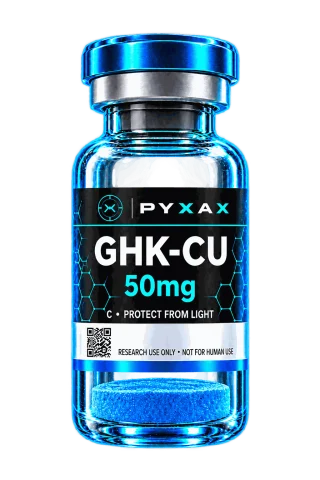
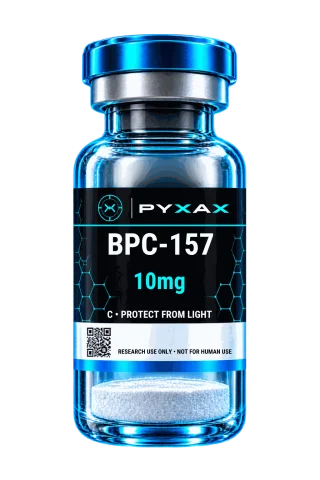
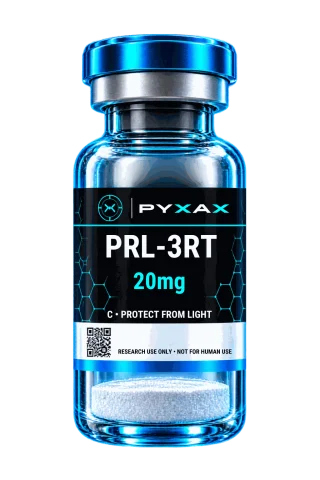
Start with the documented instructions for the exact material, form and container. A general peptide-storage guide can identify risks and records to maintain; it cannot assign a shelf life to an uncharacterized sample.
The practical distinction is between specified storage conditions, the conditions actually experienced, and evidence that the material remains suitable for the intended research. Recording the first two does not, by itself, establish the third.
Why there is no universal peptide shelf life
Peptide behavior depends on sequence, chemical modifications, material form, formulation and environment. Dry material and material in solution present different handling considerations. Established suppliers distinguish storage and handling recommendations by these conditions instead of assuming every peptide is interchangeable.12
A recommendation written for a manufacturer’s specific material should not be transferred automatically to a different compound or formulation. Neither a recent COA nor an unchanged visual appearance proves stability for an arbitrary duration. Establishing a retest period or shelf life requires relevant stability evidence; ICH Q1A describes the role of testing under defined conditions in stability assessment.3
What should a laboratory record when material arrives?
The laboratory receiving-record checklist documents material identity, condition, instructions and handling deviations without inventing an unobserved storage history.

Use the checklist as a documentation aid alongside your laboratory’s approved procedures. It is not a universal storage specification or a certification of sample suitability.
Laboratory receiving log template
The receiving log separates direct observations from supplier-stated information and internal identifiers. A blank field means unrecorded; it must not be treated as a negative result.
Keep any supplier-stated condition linked to its source. Keep an observed condition linked to the receiving event. Neither category should be rewritten as a verified pre-receipt history without supporting evidence.
- Match identity and lot. Connect the container label, receiving record and published certificate. Record differences rather than resolving them by assumption.
- Document received condition. Note observable container damage, label legibility and any available shipment-condition records. Do not infer an unmeasured temperature history.
- Record the applicable requirements. Keep the compound/form-specific instructions, their source and revision with the sample record.
- Limit unnecessary exposure. Plan handling before opening and follow the documented environmental controls for that material.
- Maintain traceable labels. Identify the material, lot, preparation state where relevant, dates and the internal record that explains subsequent handling.
- Record departures from instructions. Preserve what is known about an excursion or handling deviation, including uncertainties.
- Resolve suitability questions. Seek the responsible supplier or qualified laboratory’s assessment when the evidence is incomplete. Do not invent a new expiry date.
Lyophilized material and moisture
Lyophilized means freeze-dried; it does not mean immune to environmental change. Peptide materials can be hygroscopic, and opening a cold container can expose it to moisture from the surrounding air. Bachem’s handling guidance discusses allowing a sealed container to reach room temperature before opening to limit condensation. Apply that practice only within the documented handling requirements for the particular material.1
Plan access so that an opened container is not left exposed unnecessarily. Record deviations from the applicable instructions. Do not interpret a change in cake shape, powder appearance or apparent volume as a quantitative assay.
Temperature, cycling and solution state
Follow the specified temperature conditions rather than choosing a universal number from a generic article. NIBSC publishes guidance for its peptide library that separates dry-material storage from solution handling; that is useful evidence for the distinction, not a universal guarantee for other materials.2
Repeated temperature changes and repeated access deserve attention because they change the exposure history. If a laboratory uses aliquots to limit repeated handling, their preparation, labeling, container choice and storage conditions should belong to its approved procedure. This guide supplies no preparation recipe, concentrations or administration instructions.
A solution introduces additional variables, including solvent composition, pH and contact surfaces. Do not carry a dry-material stability assumption over to a solution without supporting information.14
Light, oxidation and container contact
Sensitivity to light and chemical change is material-dependent. Manufacturer guidance identifies sequence-dependent concerns, including oxidation of susceptible residues. Consult the relevant documentation for protective handling instead of assuming either that all peptides are equally sensitive or that a dark vial solves every stability concern.12
Surface adsorption can reduce recovery, especially when working with small amounts or dilute analytical samples. Container materials and sample conditions therefore matter. Analytical guidance discusses recovery and surface interactions; it does not justify prescribing one universal container for every peptide or assay.5
The practical record should identify the container and any validated preparation/transfer steps. If an analytical result changes, assess recovery and handling as well as chemical degradation. Do not attribute a lower measured amount to one cause without evidence.
Contamination and opening history
Opening and transferring material change its handling history. Follow laboratory controls appropriate to the work and keep those events traceable. A chemical purity result must not be interpreted as a sterility result. Likewise, clean-looking material is not evidence of absent endotoxin or other unmeasured attributes. The testing pillar separates these questions.
This guide does not establish aseptic processing instructions or qualify a container for any use. Where microbiological attributes matter to a research design, obtain relevant evidence and qualified laboratory guidance.
What to do after a handling deviation
Separate observations from conclusions. “The container was outside specified storage for a recorded interval” is an observation if that interval is known. “The peptide remains unchanged” is a conclusion requiring supporting evidence.
Keep the material identifiable, preserve the available time/condition records and refer the deviation for assessment under the laboratory’s procedures. Depending on the material and intended research, an assessment may require additional analysis. A generic storage article cannot decide that outcome.
Connect storage history with analytical evidence
A chromatogram and mass-verification result describe the tested sample under the stated methods. They do not automatically establish every later condition of the remaining material. Keep receiving, storage, handling and testing records linked without substituting any single record for all the others.
For compound context, use the existing Retatrutide research reference and Tirzepatide sourcing and verification reference. Their commercial or scientific context does not replace material-specific handling documentation.
PYXAX’s current testing scope
PYXAX records testing at the lot level. The COA Library shows whether documentation for a listed record is published or pending; only the exact published certificate establishes the issuing laboratory, methods and results for that lot. When a record reports HPLC purity, LC-MS identity or content against a label claim, each result must be read on its own terms. Endotoxin, heavy-metals and final-vial sterility must not be inferred unless suitable evidence is reported for that exact material.
References
-
NIBSC: Peptide Storage. Guidance for NIBSC’s peptide library. ↩↩↩
-
ICH Q1A(R2), FDA: Stability Testing of New Drug Substances and Products. Cited for the analytical principle of condition-specific stability evidence, not a claim of regulatory status for research materials. ↩
-
Waters: Protein and Peptide Recovery in Sample Containers. Manufacturer measurements of adsorption and recovery; container choice remains method-specific. ↩